Small Eyes, Big Responsibility: 5 Tips for Protecting Children's Eye Health
Sometimes we get busy with work, studies, and daily tasks, and forget
that healthy eyes and good vision are very important for a child's development,
both academically and socially.
So here are 5 simple tips to help you maintain your child's eye health:
1. Eye exams for children: What do experts recommend?
The recommendation from the ophthalmologists' association is to have several checkups during childhood:
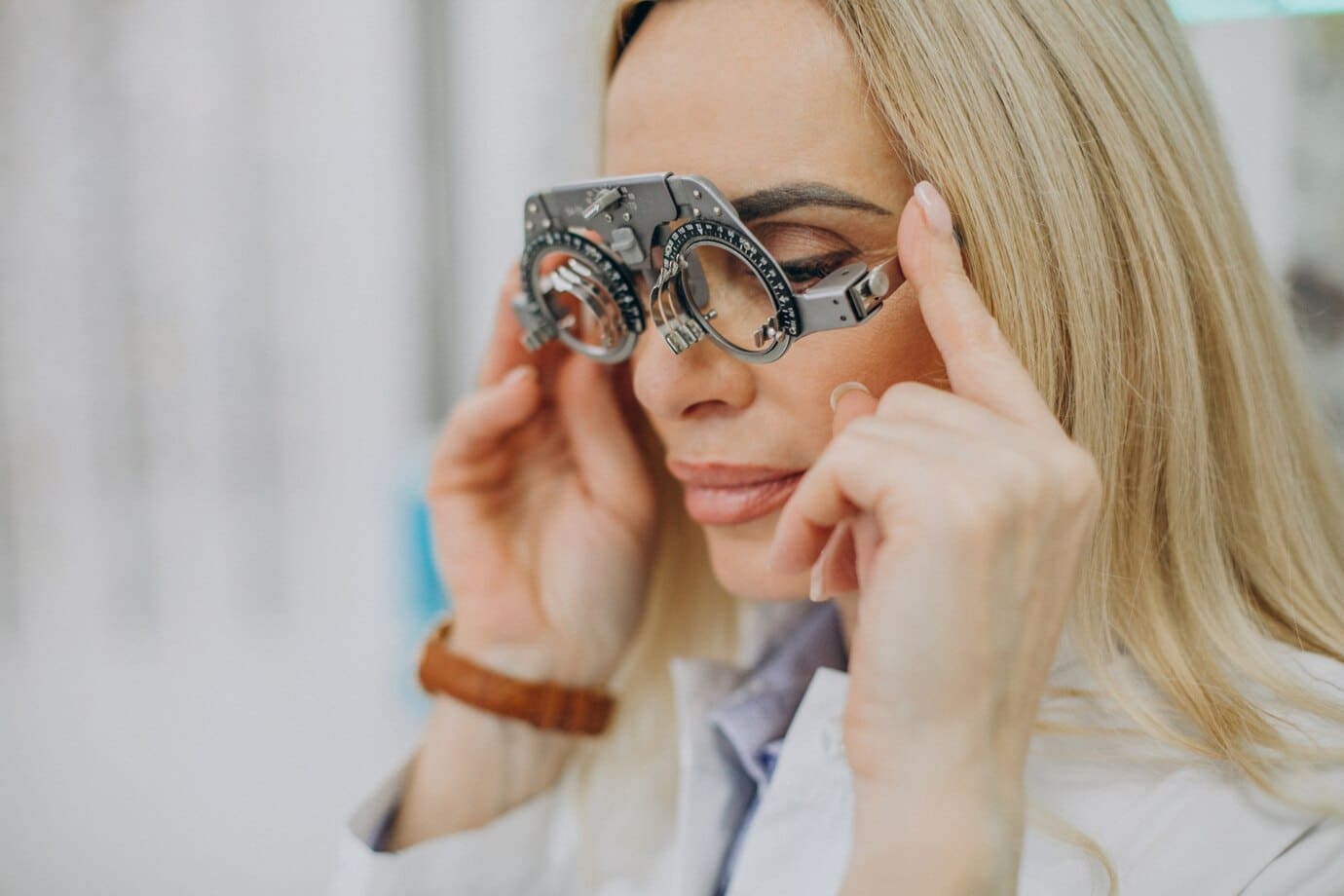
An eye doctor examination including pupil dilation at age six months to one year,
another exam at age 3,
and a final exam before entering first grade.
These exams will help identify eye problems like vision defects, nearsightedness, or lazy eye,
before they cause trouble.
2. Sunglasses aren't just for adults:
It's no secret that sun rays can harm eyes and cause problems.
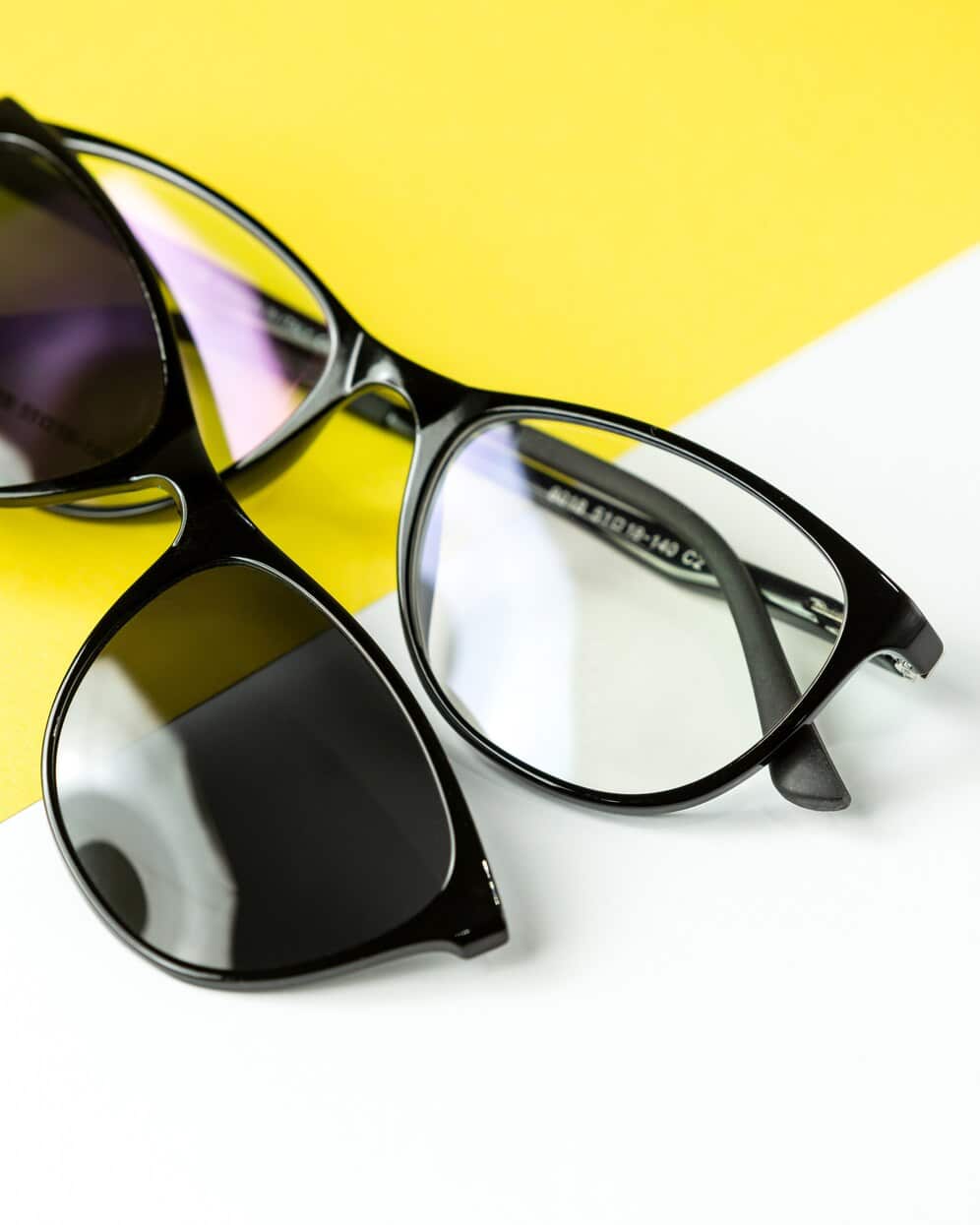
So it's important to make sure children wear sunglasses with UV protection every time
they leave the house, especially in summer.
It's important to choose quality sunglasses with appropriate lenses that block
99%-100% of UVA and UVB rays.
3. Screen breaks:
Their little eyes need rest!
Extended screen time causes dry and tired eyes, headaches, and even nearsightedness.
Make sure to take regular breaks from screens and limit prolonged games on tablets, phones, and TV,
both at home and at school.
4. Proper nutrition:
A healthy and balanced diet including vegetables and fruits is important for eye health.
Make sure your child eats a wide variety of healthy foods,
and you can add nutritional supplements if needed.
5. Adequate sleep:
Children need to sleep, and a lot!
Adequate sleep helps eyes rest and regenerate.
It's recommended to aim for 9-11 hours of sleep per night, according to their age.
Sleep strengthens nervous system function and helps reduce eye fatigue.
Additional tips:
Encourage your child to play outside, instead of spending all their time in front of screens.
Pay attention to room lighting when they're reading or writing.
Teach them not to touch their eyes with dirty hands.
And of course, involve the children and explain to them why it's important to protect their eyes and how they can help.
Their eyes are in our hands
Children's eyes develop until age 6-8. If there's a vision problem at a young age,
it can interfere with normal vision development.
Additionally, children don't always understand when they have a vision problem.
They won't complain if their vision is blurry or if their visual field is limited.
Therefore, it's important that you as parents stay alert to changes in your little ones' behavior.
Watch if they:
- Tilt their head when looking at something
- Get very close to the TV and computer
- Rub their eyes frequently
- Have difficulty reading or writing
- Complain about headaches or eye pain
If you notice any of these signs,
take your child for an examination with an eye doctor or certified optometrist.